Trump: Iran Wants a Deal ‘So Badly’ as Israel-Iran Strikes Intensify
Imagine waking up to headlines of missiles lighting up the night sky over Tehran and Tel Aviv—again. That’s the reality in late March 2026, where Israel-Iran strikes have become a grim daily rhythm in a war now stretching into its fourth week. But just as the bombs fall, President Donald Trump drops a bombshell: Iran “wants a deal so badly.” Is this the art of the deal in action, or diplomatic smoke and mirrors? As someone tracking global flashpoints from Mumbai—where every spike in crude oil hits our fuel pumps and inflation harder than most—I see this not just as Middle East theater, but a ripple that could reshape energy security worldwide. Let’s unpack it with fresh eyes.
The Escalating Israel-Iran Strikes: From Surprise Assault to Stalemate
The conflict didn’t start with whispers of diplomacy. On February 28, 2026, the U.S. and Israel launched “Operation Epic Fury”—a barrage of airstrikes, Tomahawk missiles, and drones targeting Iran’s nuclear sites, missile factories, and leadership. Supreme Leader Ayatollah Ali Khamenei was killed early on, along with top Revolutionary Guards commanders. Iran hit back hard, firing missiles at Israeli cities, U.S. bases in the Gulf, and even civilian areas in Bahrain and Dubai.
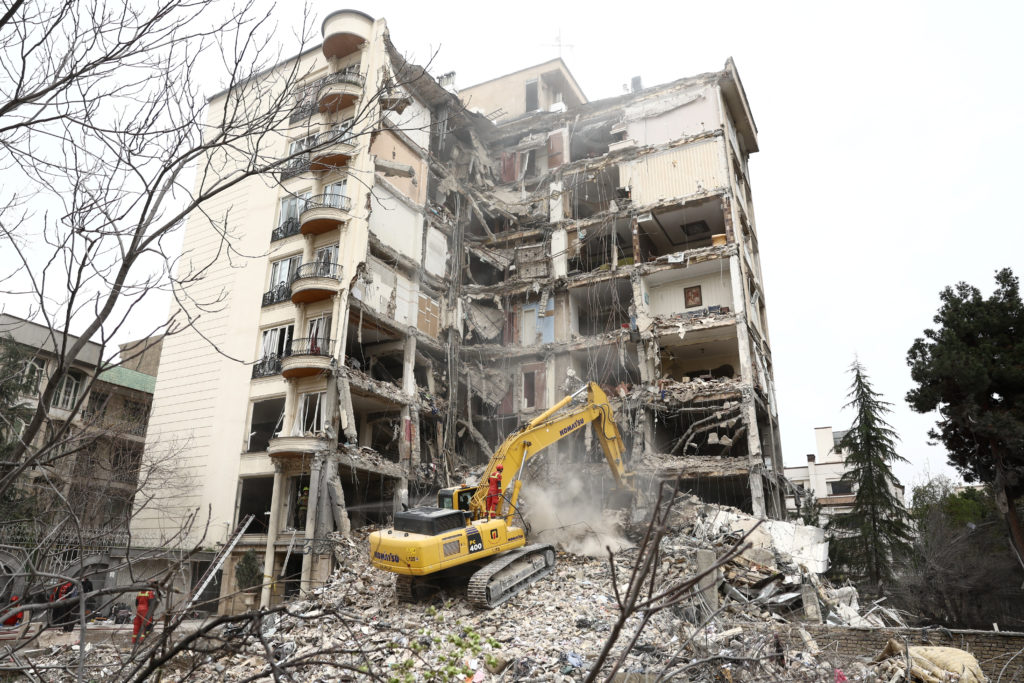
Fast-forward to now: Israel-Iran strikes have evolved into targeted hits on energy infrastructure. Israel has pounded gas fields and power plants; Iran has retaliated with drones and missiles, shutting down parts of the Strait of Hormuz—the artery carrying 20% of global oil. Civilian toll? Over 1,800 dead, including tragic strikes on schools and hospitals. Environmental damage includes “black rain” from bombed oil depots in Tehran.
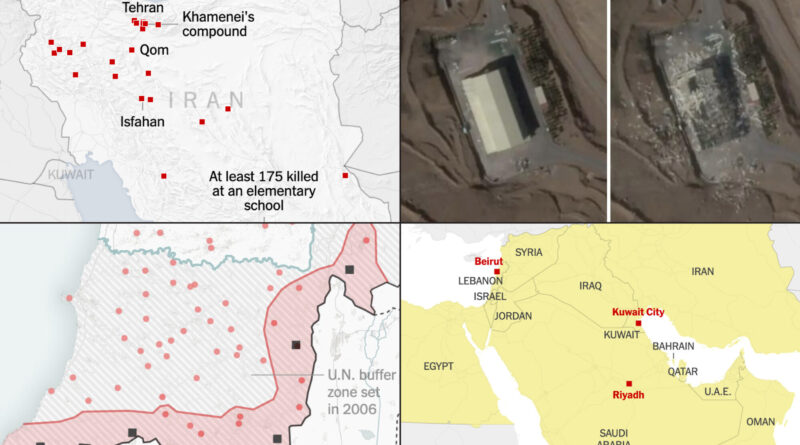
Here’s a quick visual of the chaos:

Map shows how 22 days of attacks have evolved in US-Israel war on Iran
Timeline Snapshot (Key Events):
- Feb 28: U.S.-Israel strikes begin; Khamenei killed.
- Early March: Iranian counterattacks on Gulf states; oil prices jump 50%.
- Mid-March: Back-and-forth on energy sites; Trump threatens to “obliterate” power plants if Hormuz stays closed.
- March 23-24: Trump pauses U.S. strikes for 5 days, citing talks. Israel keeps bombing Tehran anyway.
This isn’t abstract geopolitics. From Mumbai’s perspective, India’s heavy reliance on Middle East oil (we import over 85% of our crude) means every escalation adds ₹5-10 per liter at the pump. Families feel it in grocery bills; industries in higher logistics costs.
Trump’s Bold Claim: “Iran Wants a Deal So Badly”
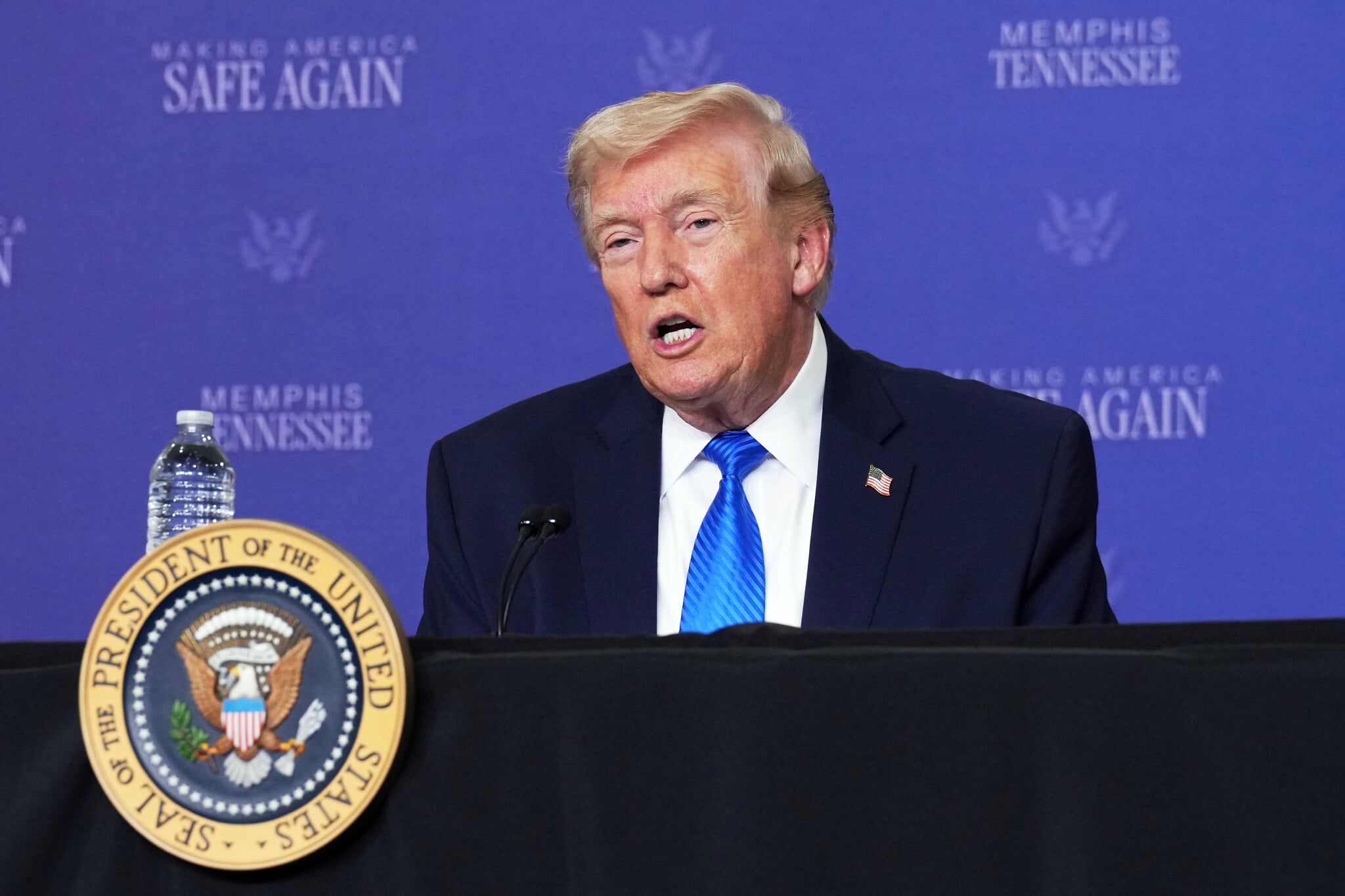
Enter Trump, ever the dealmaker. On March 23-24, he told reporters the U.S. is in “very strong talks” with Iran—via “the right people,” including envoys like Jared Kushner and Steve Witkoff. “They want to make a deal so badly,” he said, claiming major agreements on no nuclear weapons, handing over enriched uranium, and ending the war. He even postponed strikes on Iranian power plants for five days to give diplomacy breathing room.
Trump insists Israel would be “very happy” with the terms. His style? Classic first-term playbook: maximum pressure (strikes + sanctions) paired with the promise of a “beautiful deal.” In his words, “We’re talking to the right people… They want peace.”
But here’s the twist—and my fresh take: Trump’s optimism might be strategic market signaling. Oil prices dipped on his announcement, easing pressure on U.S. voters facing high energy costs. Yet, as an observer who’s seen Trump’s past Iran policy (killing Soleimani in 2020, pulling out of the JCPOA), this feels like high-stakes poker. He’s betting Iran’s weakened state—leadership decapitated, proxies battered—makes them desperate.
Trump: There’s a very good chance for a deal with Iran | The Times of Israel
Iran Denies It All: Face-Saving or Genuine Rejection?
Tehran fires back: “Fake news.” Parliament Speaker Mohammad Bagher Ghalibaf called it an attempt to “manipulate the financial and oil markets.” The Foreign Ministry insists no direct talks occurred—only vague regional “initiatives” via Turkey or Oman.
Why the denial? Iran can’t afford to look weak domestically after losing its supreme leader. Public protests simmer; hardliners dominate. Admitting talks now would signal surrender. Yet whispers suggest indirect channels exist—perhaps through respected intermediaries Trump referenced.
Comparison Table: Positions at a Glance
| Aspect | Trump’s View (U.S./Israel) | Iran’s Stated Position | Real-World Tension |
|---|---|---|---|
| Nuclear Program | Zero enrichment; hand over uranium; no bomb ever | Denies talks; defends “peaceful” rights | Strikes already set program back months |
| Energy Infrastructure | Pause strikes if Hormuz reopens fully | Threatens full closure if power plants hit | Oil prices up 50%; global ripple effects |
| War Endgame | Deal possible this week; regime change optional | No negotiations; continue resistance | Israel vows “full intensity” strikes persist |
| Market Impact | Talks ease prices temporarily | Accuses U.S. of rigging markets | Ethylene/plastics surge; India feels import pain |
Data drawn from recent reports; dynamics shift hourly.
This mismatch creates uncertainty—the kind that spikes volatility. My insight? Iran’s denial isn’t outright rejection; it’s negotiation theater. History shows Tehran talks when cornered (see 2015 JCPOA). Trump’s pause buys time, but Israel’s independent strikes (hitting Tehran even after the U.S. halt) complicate everything.
Key Insights: Global Ripples and a Mumbai Lens
Beyond the headlines, three fresh perspectives stand out:
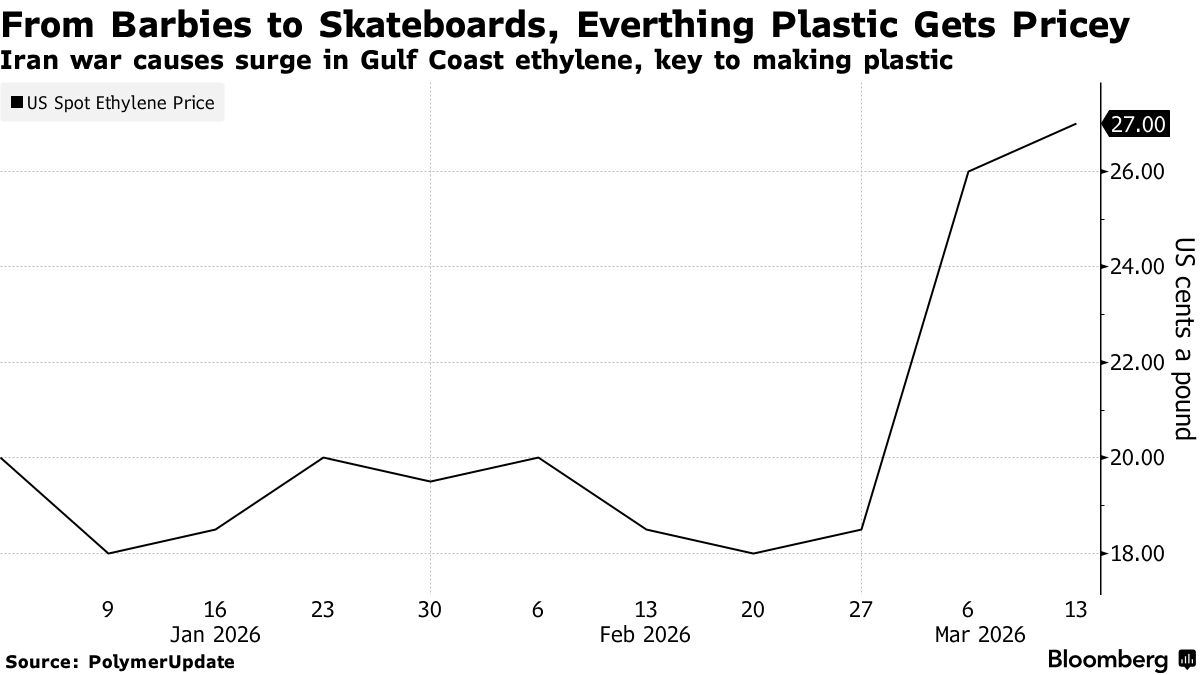
- Energy Shockwaves: Oil surged post-Feb 28, with knock-on effects on plastics, shipping, and food. In India, this could add 1-2% to inflation if prolonged—bad news for a recovering economy.
The Iran War Energy Price Shocks in 7 Charts – Bloomberg
- Diplomacy vs. Deterrence: Trump’s approach echoes his “peace through strength.” But with civilian suffering mounting (black rain in Tehran, damaged heritage in Isfahan), the human cost risks eroding U.S. soft power.
- India’s Stake: As a major buyer of Iranian and Gulf oil pre-war, we’re watching closely. A deal could stabilize prices; prolonged strikes might push us toward costlier Russian or U.S. alternatives. This isn’t distant drama—it’s our energy future.
One more visual of the human toll:
Strikes hit Iran while Tehran targets Israel and Gulf states amid mixed signals over talks to end war | PBS News
What Happens Next? Hope, Skepticism, and a Call to Watch Closely
The coming days are pivotal. If talks advance (as Trump predicts), we could see a ceasefire by week’s end. If not, expect escalated Israel-Iran strikes and higher global pain. Skeptics like Israeli officials say the war continues “at full intensity.” Analysts warn Trump’s claims could be bluster to force Iran’s hand.
From where I sit, this moment underscores a timeless truth: In geopolitics, words and bombs often dance together. Trump’s confidence might just tip the scales—or it could be the prelude to more intensity.
What do you think—deal or deadlock? Drop your thoughts in the comments below. If you’re in India or anywhere feeling the oil pinch, share how it’s hitting home. For more on global flashpoints, subscribe to our newsletter or check our deep dive on Middle East energy dynamics. And if you’re new here, hit that follow button—we’re tracking every twist in real time.