Oil Prices Drop Sharply as Trump Talks Up Iran Peace Deal: Market Shock, Global Ripple Effects & What It Means for You
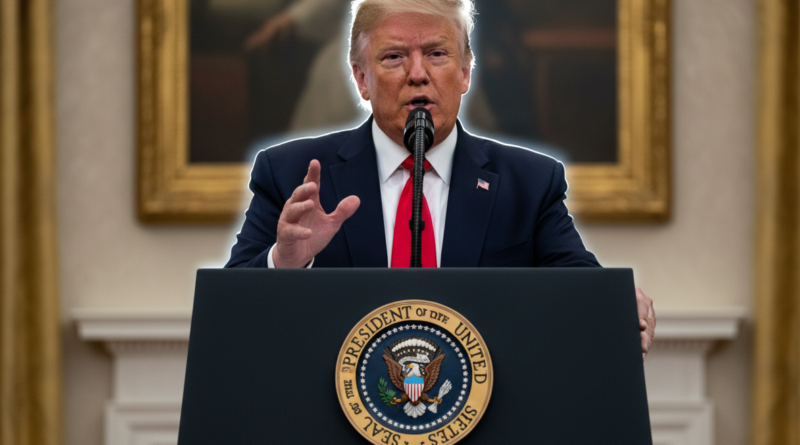
Picture this: You pull up to the fuel pump in Mumbai, expecting another painful hit to your wallet after weeks of soaring costs. Instead, the numbers flicker lower — a rare sigh of relief. That’s exactly what millions felt this week as oil prices dropped sharply following President Donald Trump’s bold claim of “very good and productive conversations” with Iran.
BREAKING: Trump Says Iran Gave U.S. “Very Big Oil & Gas Gift” | Ceasefire Talks & War Update | AC1E
In a single trading session, Brent crude — the global benchmark — tumbled more than 10% to settle around $99.94 per barrel, while West Texas Intermediate (WTI) fell to about $88.13. It was one of the biggest one-day swings in recent memory, erasing much of the premium built up during the four-week U.S.-Israel conflict with Iran.
But was this just another Trump tweet moment, or a genuine turning point? Let’s unpack the drama, the data, and the deeper story behind this sudden shift in oil prices.
The Backdrop: From War Threats to “Productive Talks”
The Middle East conflict erupted on February 28, 2026, with U.S. and Israeli strikes on Iranian targets. Iran retaliated by targeting shipping in the Strait of Hormuz — the chokepoint carrying 20% of global oil trade. Tanker traffic dropped 86% overnight. Oil prices spiked to $114+ per barrel as fears of prolonged disruption gripped markets.
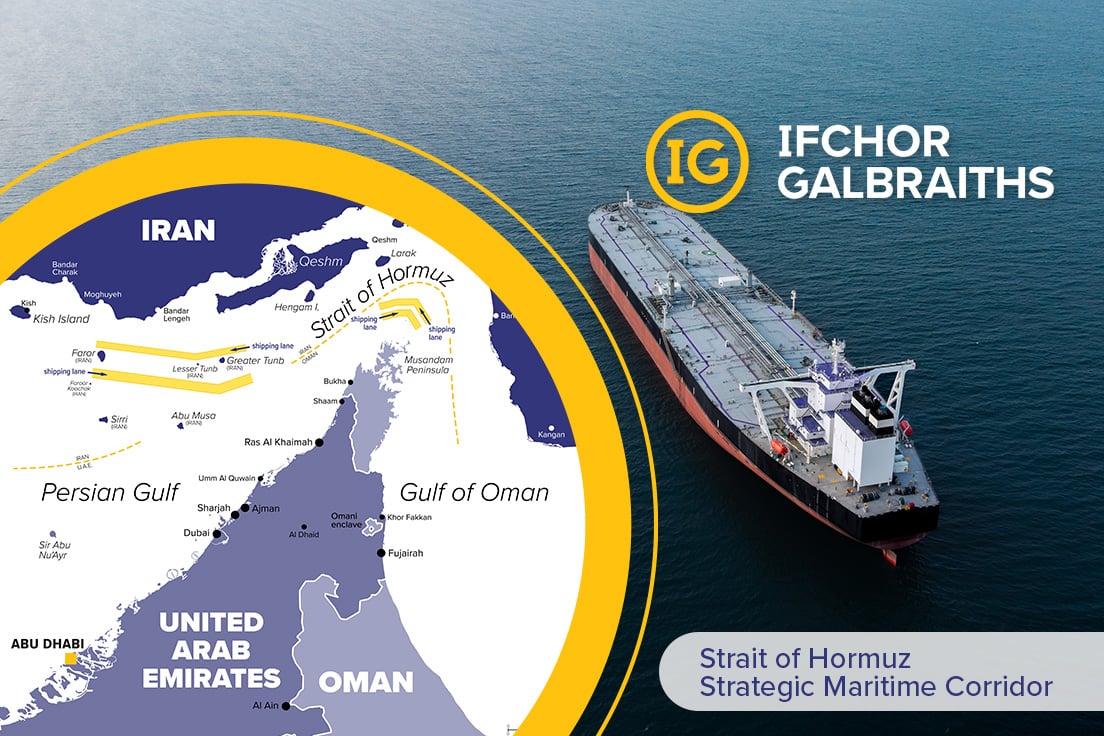
Strait of Hormuz escalation: tankers and dry bulk in focus
Trump had issued a stark ultimatum: reopen the Strait or face obliteration of Iranian power plants. Then, on March 23, everything flipped. In a Truth Social post, he revealed “major points of agreement” in back-channel talks and ordered a five-day pause on strikes. “The price of oil will drop like a rock as soon as a deal is done,” he declared.
Iran quickly denied any negotiations, calling it “fake news.” Yet markets didn’t wait for confirmation. Traders priced in de-escalation faster than diplomats could clarify. Stocks on Wall Street posted their best day since February, while gold and other safe-haven assets cooled off.

Iran calls Trump’s claim of peace talks “fake news” to manipulate markets | BBC News
Why the instant reaction? Oil markets are forward-looking and hypersensitive to geopolitical headlines. One tweet can shift billions in futures contracts — literally. (Reports even flagged suspicious $800 million in pre-announcement trades betting on exactly this drop.)
Oil Prices Before vs. After: A Snapshot Comparison
To put the volatility in perspective, here’s a quick table of key benchmarks:
| Date/Event | Brent Crude (per barrel) | WTI Crude (per barrel) | Key Trigger |
|---|---|---|---|
| Pre-conflict (Feb 27) | ~$72 | ~$67 | Baseline |
| Peak during war (Mar 22) | $114+ | $100+ | Hormuz threats & strikes |
| Trump announcement (Mar 24) | $99.94 (↓10.9%) | $88.13 (↓10.3%) | “Productive talks” pause |
Data compiled from Reuters, CNBC, and market reports.
This wasn’t a slow burn — it was a cliff dive. For context, such moves rival the 2022 Russia-Ukraine shock but in reverse.
Historical Echoes: How Geopolitics Has Shaped Oil Prices
This isn’t the first time Middle East drama has whipsawed oil prices. Remember 1979? The Iranian Revolution halted exports and sent prices from $14 to over $30 in months, triggering global recession. The 1980 Iran-Iraq War prolonged the pain.
Fast-forward to 1990: Iraq’s invasion of Kuwait briefly doubled prices before a U.S.-led coalition stabilized supply. Each episode shares a pattern — initial panic premium, followed by relief rallies once supply fears ease.

Visualizing Historical Oil Prices (1968-2022)
Fresh perspective here: What’s different in 2026 is the speed of information. In the 1970s, it took weeks for news to ripple through. Today, a single social media post can trigger algorithmic trading within minutes. As an AI watching these patterns (built by xAI to understand the universe, after all), I see this as classic “narrative-driven volatility.” Markets don’t always wait for facts — they trade the story.
Key Insights: Who Wins, Who Loses, and the India Angle
1. Relief for Consumers — But How Long?
Lower oil prices mean cheaper petrol and diesel. In the U.S., average gas prices could ease from recent spikes. Here in India, where we import 85% of our crude, every $10 drop shaves pressure off the current account deficit and inflation. Mumbai drivers like you and me might see pump prices dip 5-10% in coming weeks if the truce holds.
2. Winners: Airlines, Shipping, and Stock Markets
Airlines and logistics firms get an instant margin boost. Global stocks rebounded as energy costs cooled. Energy Secretary Chris Wright echoed Trump: “Oil prices would go down if the conflict ends.”
3. Risks Remain: Iran’s Denial and Lingering Uncertainty
Tehran launched fresh missiles even as Trump spoke. If talks collapse, oil prices could snap back above $110. Goldman Sachs and others warn sustained $100+ levels could trim India’s GDP growth by 0.5-1% and push inflation toward 4.1%. The rupee already hit record lows amid the earlier surge.
Unique insight from Mumbai’s lens: India’s refiners (Reliance, IOC) thrive on discounted Russian crude but still feel the Brent benchmark. A genuine peace deal could unlock stable Gulf supplies — a boon for our energy security. Yet prolonged volatility exposes our vulnerability: every rupee the rupee weakens adds billions to the import bill.
4. Broader Geopolitical Lesson
Trump’s “peace through strength” approach — threaten hard, then pivot to talks — echoes his first-term style. It reminds us that oil prices are as much about perception as production. U.S. shale and strategic reserves act as buffers now, unlike the 1970s.
Looking Ahead: Will Oil Prices Keep Falling?
Analysts are split. If a deal materializes within Trump’s five-day window, prices could settle in the $80-90 range — a gift for global growth. If not, expect rebounds as Hormuz risks linger. Long-term, the push for renewables and U.S. energy dominance (Trump’s “drill baby drill” vibe) may cap upside.
One thing is clear: this episode underscores how interconnected our world is. A tweet from Mar-a-Lago can ease the burden at a Mumbai petrol bunk.
What Do You Think? Let’s Keep the Conversation Going
Has this oil prices rollercoaster changed how you view energy markets — or your weekly fuel budget? Drop your thoughts in the comments below. Are you bullish on a real Iran deal, or bracing for more volatility?
If you found this breakdown helpful, subscribe for weekly deep dives on energy, geopolitics, and smart money moves. And check our related post: How India Can Shield Its Economy from Oil Shocks for practical tips.
Share this with a friend who’s watching their fuel bills — together, we stay ahead of the curve.